🧠 How Verrucas Behave in Children
- Common infection: Verrucas are a type of wart frequently seen on children’s feet and hands.
- Spontaneous resolution: Many verrucas go away by themselves — often within 6–12 months, sometimes up to 2 years.
- Contagious: They can spread through shared showers, floors, towels, socks or shoes, so hygiene matters.
✅ When to Treat
You don’t always need to treat verrucas if:
✔ They’re not painful
✔ They’re small or not spreading
✔ The child is comfortable walking and playing
Consider treatment if:
🔹 The verruca is painful, hard to walk on
🔹 There are many verrucas
🔹 They’re spreading to other areas
🔹 The child is distressed by appearance or discomfort
🏠 Home & Pharmacy Treatments
1. Topical Salicylic Acid
- This is a first-line and widely used treatment.
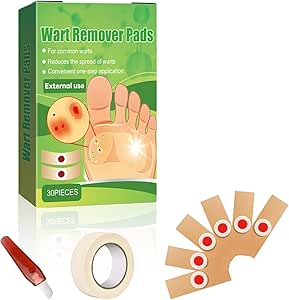
- Available in creams, gels, liquid paint, or medicated plasters from pharmacies.
- It softens and gradually removes the verruca layers.
- Apply as directed, often daily for several weeks.
- Protect surrounding skin with petroleum jelly to prevent irritation.
✅ Generally well-tolerated and suitable for older children with supervision.
2. Duct Tape Occlusion Therapy
- A simple, non-medicated option parents sometimes try.
- Cover the verruca with strong tape for about 6 days, then remove, soak and file gently.
- Repeat daily for weeks until it improves.
- Some studies suggest this may help stimulate the immune response
3. Over-The-Counter Freezing Sprays
- Products that use a cooling agent to freeze the verruca are available at pharmacies.
- Similar in concept to cryotherapy, but less intense.
- May work for some children when used correctly.
🧠 Tips When Treating Kids
Before applying any treatment:
✔ Soak the verruca in warm water to soften it
✔ Use a clean emery board or pumice stone to gently file away dead skin
✔ Always protect healthy surrounding skin (e.g., Vaseline) if using acids.
Important:
❗ Do not pick or cut verrucas — this can spread the virus or cause infection.
❗ Avoid treating facial or delicate skin at home with salicylic products — see a clinician first.
👩⚕️ When to See a Doctor
- Seek professional advice if:
- The verruca is very painful
- It bleeds, changes in appearance, or is spreading
- Over-the-counter treatments don’t work after several weeks
Your child has diabetes, poor immunity, or skin problems
A GP, dermatologist or foot specialist (podiatrist) can assess and offer safe options tailored to your child.